Selenge Province
CAPITAL
Sükhbaatar
AREA
41,152 km²
ESTABLISHED
1934
KEY FEATURE
42% Forest
Overview
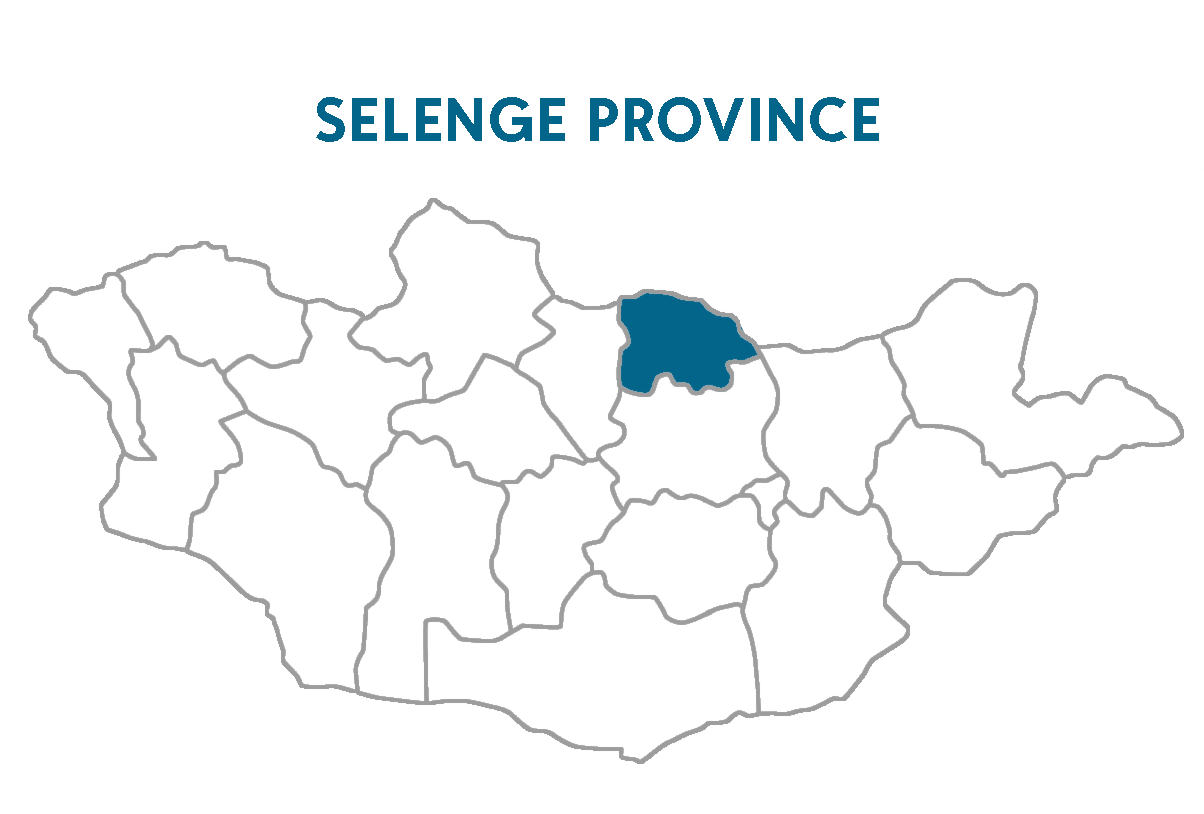
Located in northern Mongolia in the basins of the Selenge and Orkhon rivers, Selenge is a major agricultural hub known for its lush landscapes. Unlike the drier south, 42% of its territory is forested, bridging Mongolian heritage with rich natural beauty. Selenge Province is the main agricultural region and plays a significant role in meeting Mongolia's grain and vegetable needs. Selenge province has mainly developed its agriculture. Majority of Mongolian agricultural lands are concentrated in Orkhon-Selenge basin. These lands produce 45% of Mongolia’s grain and has over 570 thousand livestock.
Top Attractions
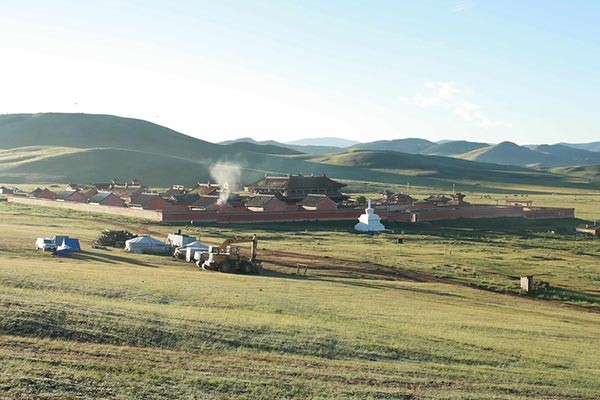
Amarbayasgalant Monastery
Founded in 1727, this is one of Mongolia's largest and most important monastic complexes, featuring stunning architecture in a quiet forest valley.
Scenic River Valleys
The basins of the Selenge and Orkhon rivers offer lush scenery perfect for hiking, bird-watching, fishing, and relaxing by the water.
Historical Sites
Explore ancient burial mounds, rock carvings, and historical zones like Altanbulag near the Russian border.
Outdoor Adventure
Experience authentic rural life by staying in ger camps, horse-riding through varied terrain, or 4x4 driving in remote valleys.
Why Visit?
Travel Essentials
Getting There
Accessible by train or road from Ulaanbaatar (4-6 hours) to Sükhbaatar town.
Local Transport
Buses/minivans connect major towns. 4x4 rental with driver recommended for rural areas.
Best time to visit
Late spring through early autumn for the best weather, though prepared travelers can visit year-round.
Accommodation
Guesthouses available in main towns; rural stays rely on traditional ger camps or simple lodges.
Yes, its proximity to Ulaanbaatar (4-6 hours) makes it accessible for a 2-3 day trip, especially to visit Amarbayasgalant Monastery and the surrounding valleys.
In Sükhbaatar, you can find local restaurants with typical Mongolian cuisine (mutton, dairy products). Ger camps usually provide home-cooked meals. As it's an agricultural region, fresh vegetables are more common here than in other parts of Mongolia.
While you can reach the main towns independently, a guide or driver is highly recommended for visiting rural attractions like the monastery or navigating remote areas, as road signs are rare and English is not widely spoken outside of towns.