


Who Are the Golden Eagle Hunters?
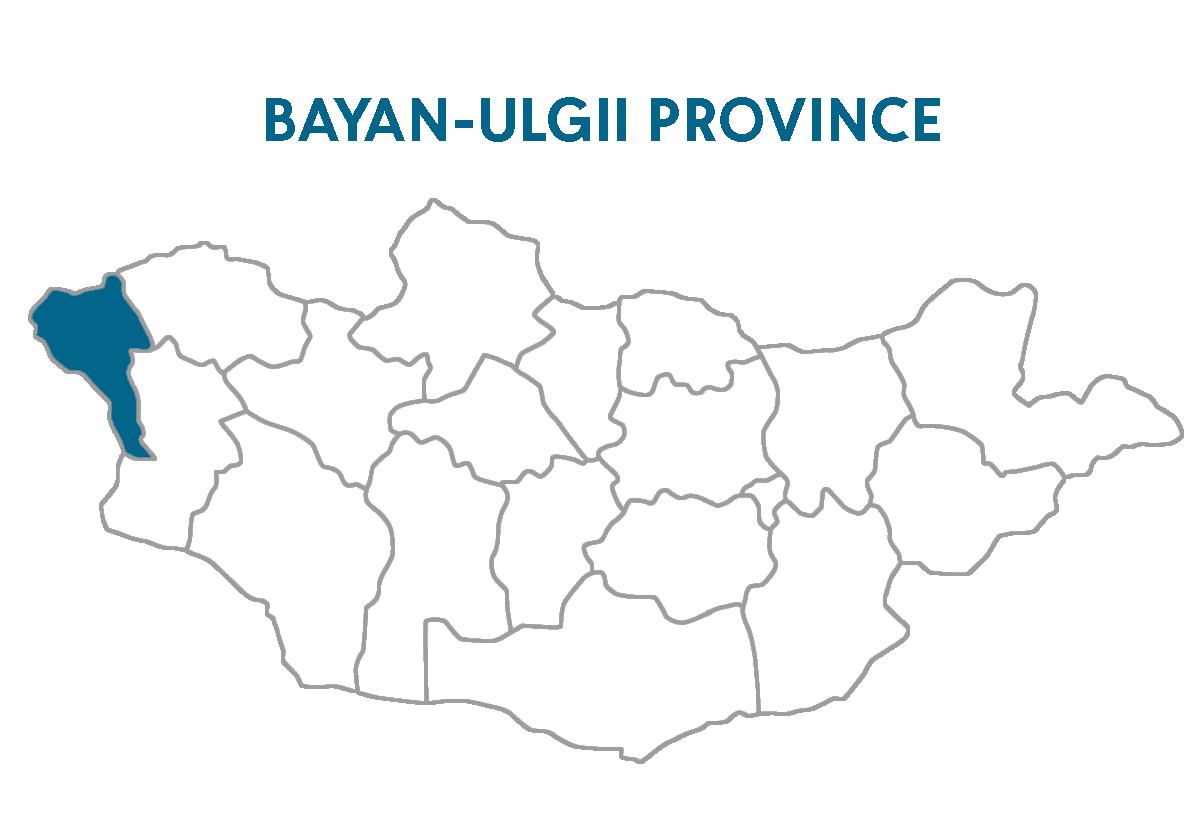
Primarily ethnic Kazakhs living in the remote, mountainous region of Western Mongolia (specifically the Bayan-Ölgii province), these hunters practice an ancient, thrilling, and deeply respectful form of falconry that has survived for over 4,000 years. Burkitshi, the legendary eagle hunters of the Eurasian steppe.
Here is a look into who the eagle hunters are, their incredible bond with nature, and why their tradition continues to captivate the world.
The Origins of the Burkitshi
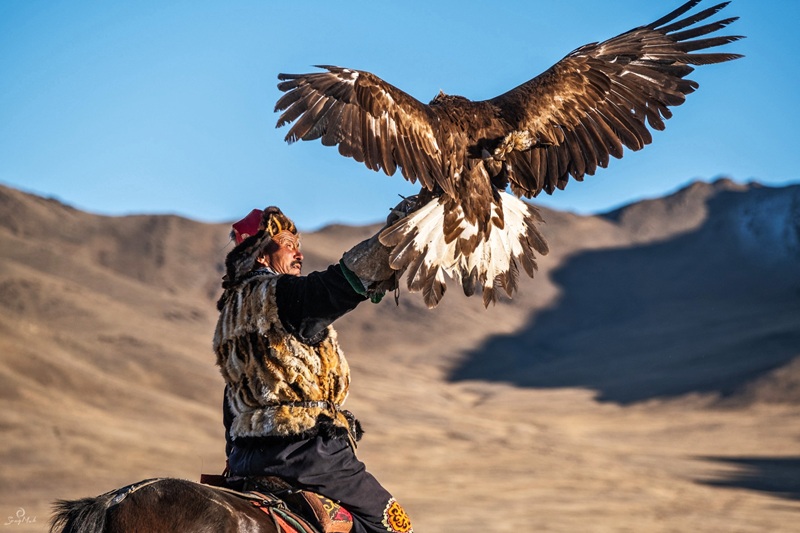
The term Burkitshi (also spelled Berkutchi) translates directly from the Kazakh language to mean "eagle hunter"—derived from burkit, the word for the golden eagle. But being a Burkitshi is much more than just a title; it is a profound cultural identity. While they are globally famous for their dramatic winter hunts, the Burkitshis are, first and foremost, semi-nomadic herders.
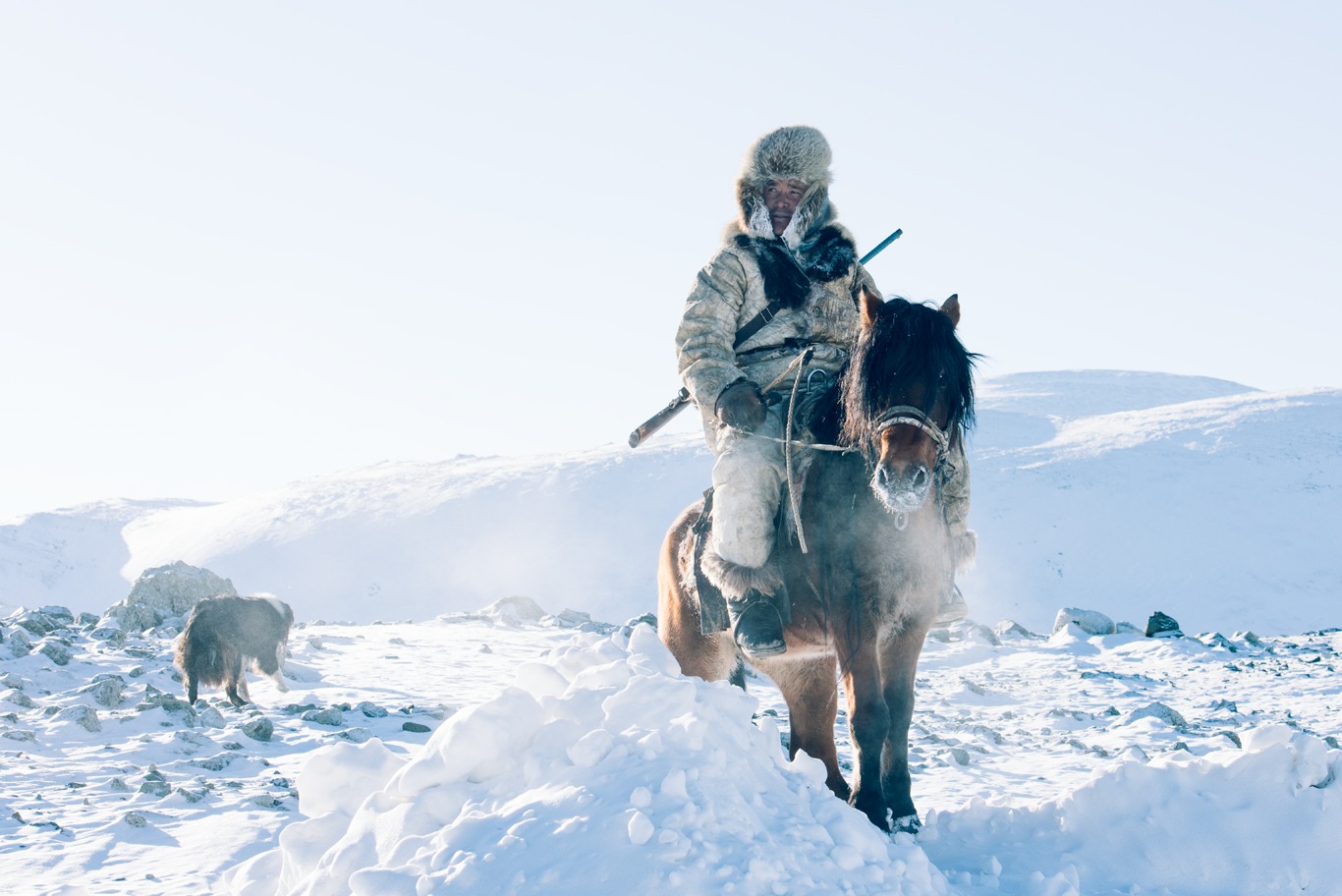
The tradition of hunting with golden eagles was born out of necessity. In the brutal winters of the Central Asian steppes, where temperatures can plummet to -40°C (-104°F), food and warm clothing were matters of survival. The eagle hunters relied on their birds to hunt red foxes, corsac foxes, and hares, providing both meat for the pot and fur for the heavy, iconic coats the hunters still wear today.
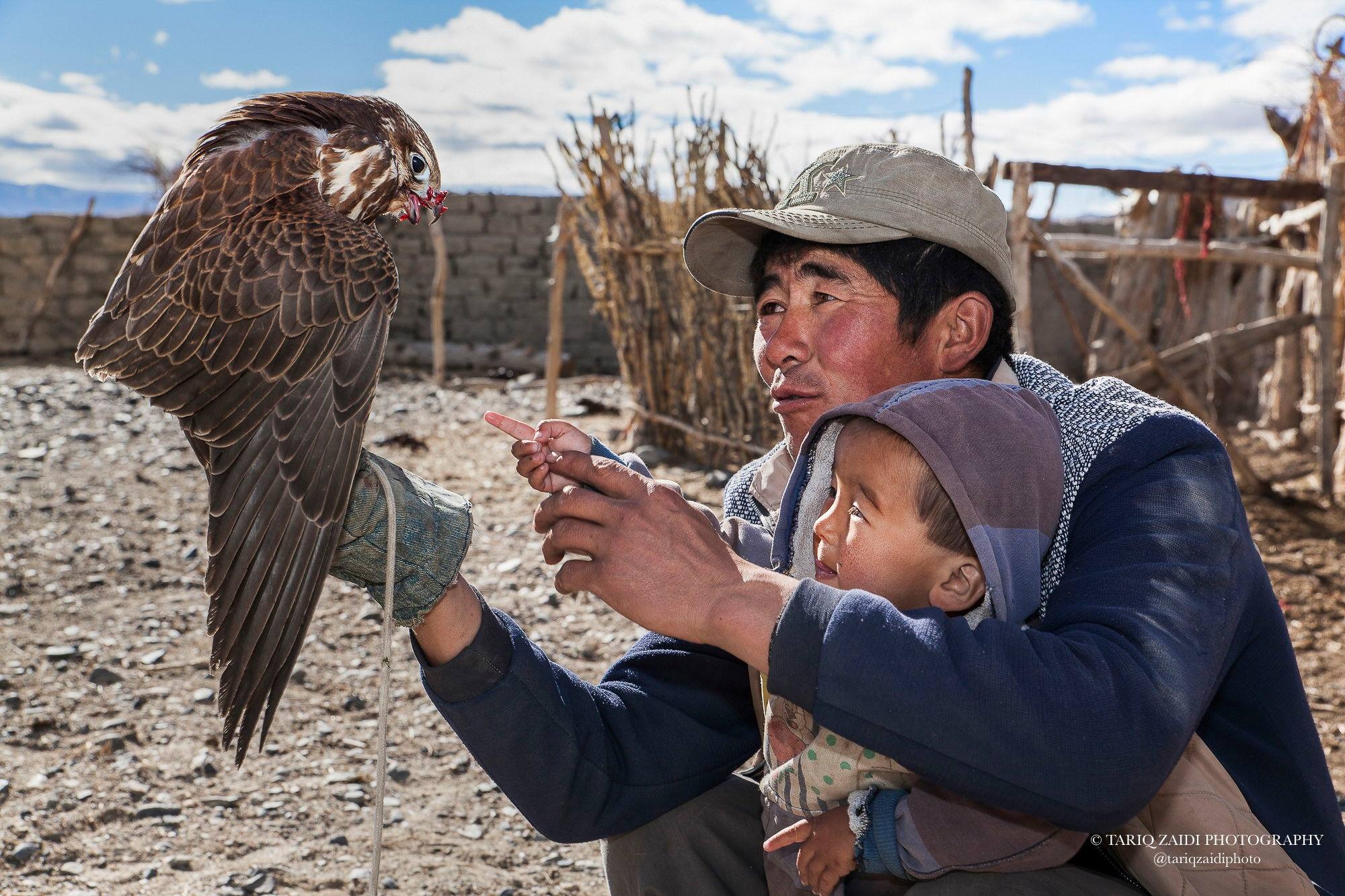
Passed down primarily from father to son (though that is changing!), becoming a Burkitshi is considered the highest honor in their nomadic culture.
An Unbreakable, Respectful Bond
The relationship between the hunter and the eagle is not one of a master and a pet; it is a partnership built on profound respect.
The Capture: Hunters usually take a female eagle from the nest when she is young. Females are preferred because they grow larger, stronger, and more aggressive than males.
The Training: Training takes months of patience. The hunter spends countless hours with the eagle, singing to her, feeding her by hand, and getting her accustomed to the sound of his voice and the movement of his horse.
The Release: Perhaps the most beautiful aspect of this tradition is how it ends. After about ten years of hunting together, the hunter takes the eagle deep into the mountains, leaves a final offering of meat, and releases her back into the wild. This ensures the eagle can breed and live out her days in freedom, maintaining the balance of nature.
The Art of the Winter Hunt
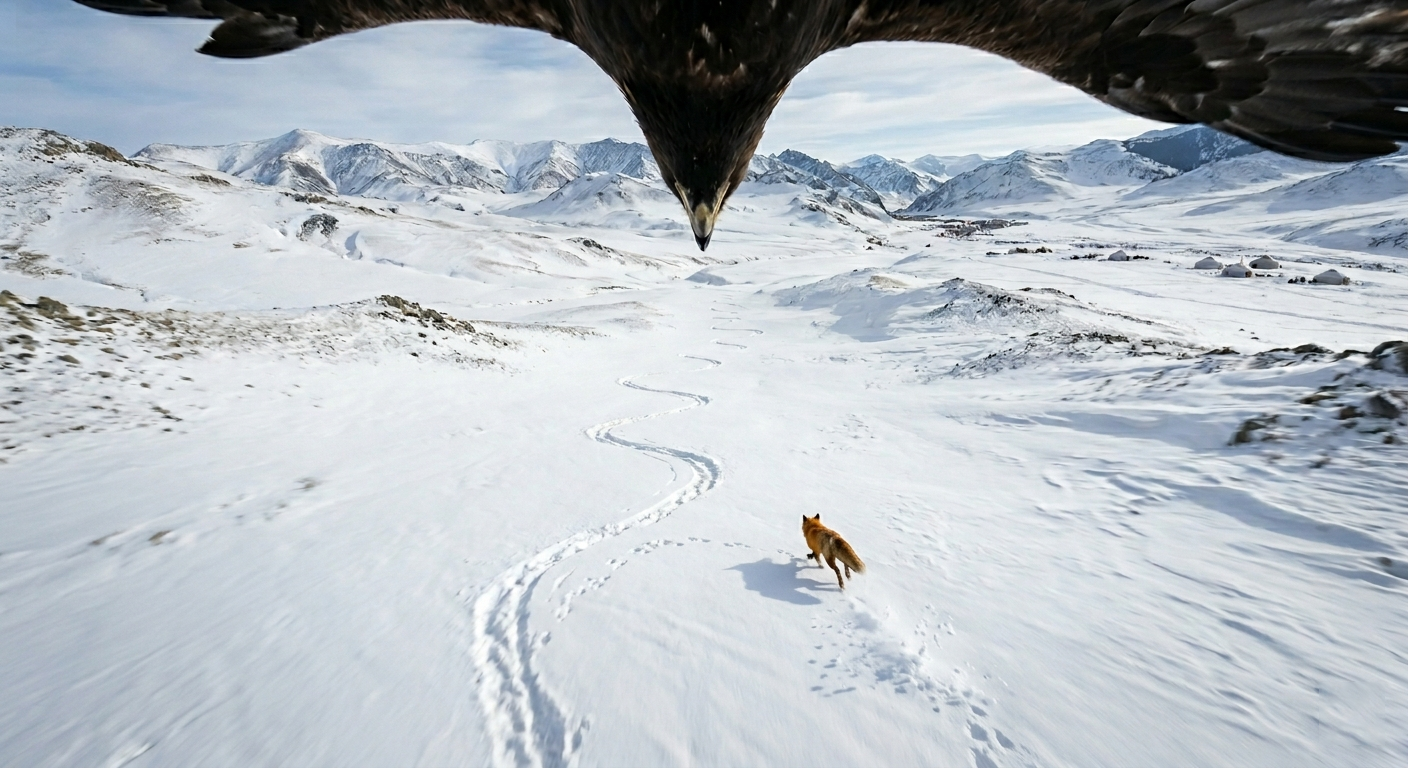
Eagle hunting is strictly a winter activity. The snow makes it easier to spot the tracks and the contrast of a red fox against the white landscape.
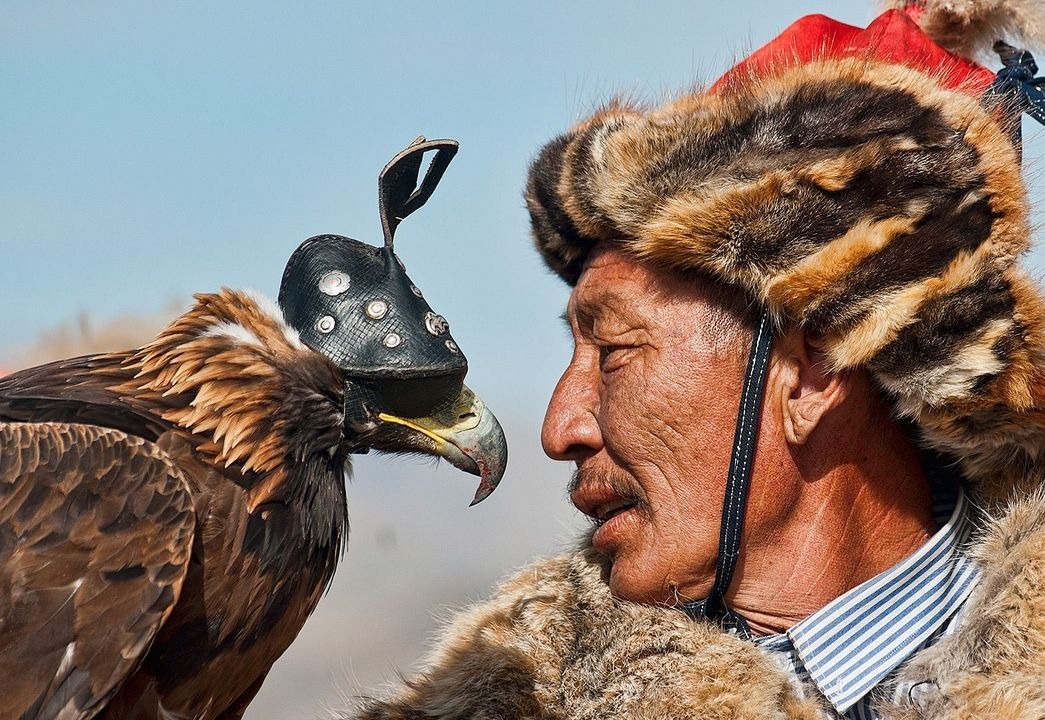
The hunters ride sturdy, sure-footed Mongolian horses high into the mountains. When a target is spotted, the hunter removes the tomaga (a handcrafted leather hood used to keep the bird calm) from the eagle’s eyes. With a sharp cry, the hunter releases the bird. A golden eagle can dive at speeds up to 320 km/h (200 mph), making for a swift and awe-inspiring hunt.
The Modern Eagle Hunter
Today, the nomadic lifestyle is facing challenges from modernization and climate change. However, the eagle hunters are finding new ways to keep their heritage alive:
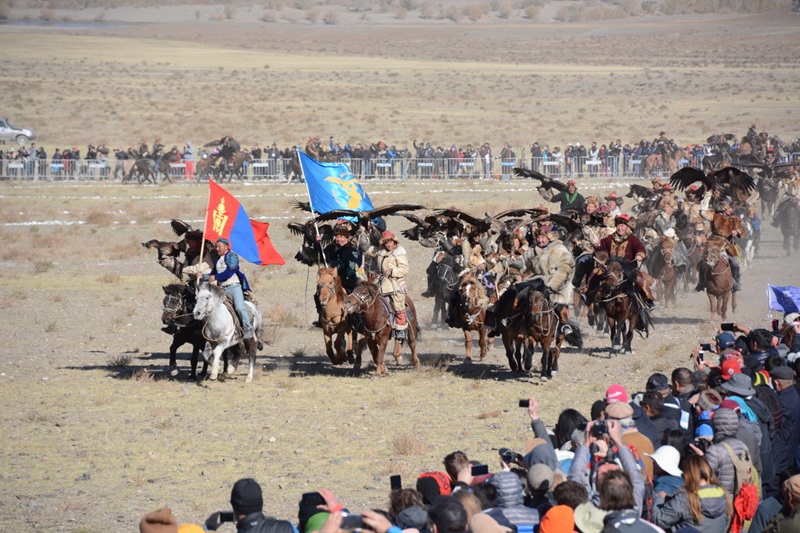
The Golden Eagle Festival: Held annually in Ölgii, Mongolia, this festival brings hundreds of hunters together to compete in trials of speed, agility, and the bond between bird and human. It has become a major cultural celebration and a draw for global travelers.
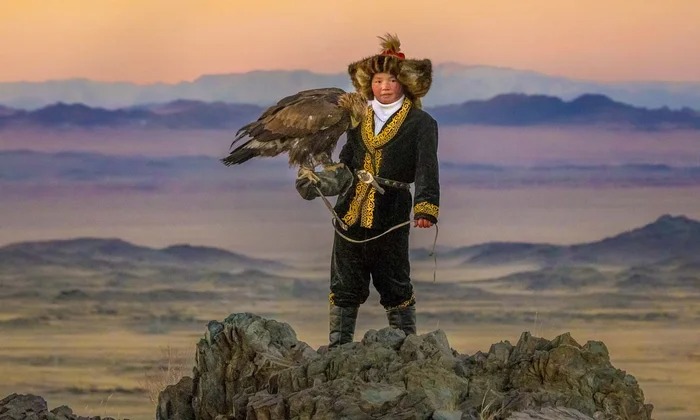
Breaking the Glass Ceiling: In recent years, the tradition has expanded. Young women, most notably Aisholpan Nurgaiv (Huntress from the documentary The Eagle Huntress), have stepped into the arena, proving that the ancient art of the Burkitshi is evolving for a new generation.
The eagle hunters are a living testament to humanity's ability to live in harmony with the wild. They are storytellers, survivors, and the guardians of a vanishing way of life.
