

Have you ever wondered why trips to Mongolia are more expensive than other Asian destinations? At first glance, it may seem surprising — Mongolia is vast, sparsely populated, and still developing its tourism industry. But the higher costs are closely tied to the country’s unique economy, geography, and infrastructure. Here’s a deep dive into why traveling in Mongolia can feel pricier.

Mongolia’s Landlocked Geography
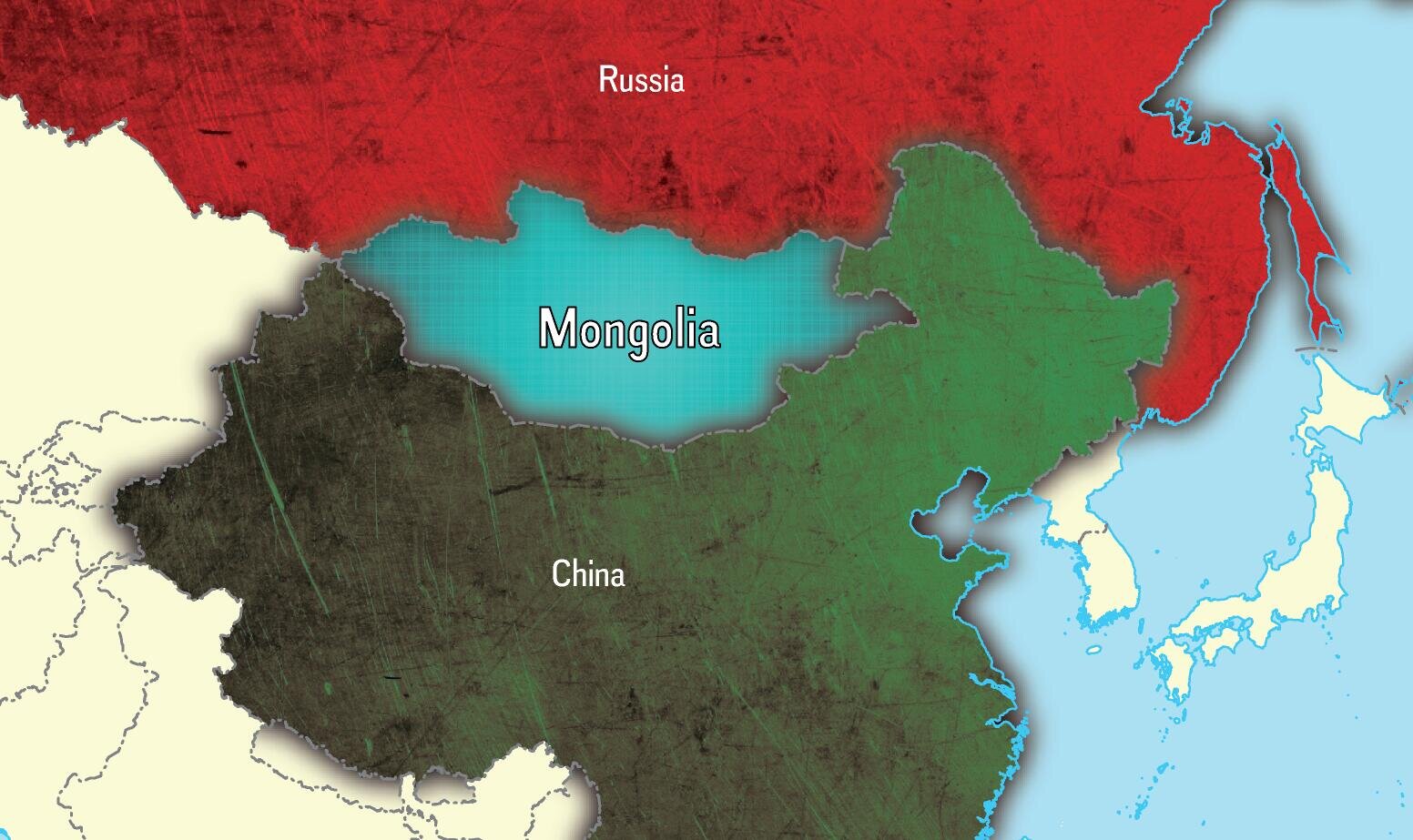
Being landlocked between Russia and China creates economic challenges. Almost everything — from fuel and building materials to packaged foods — must be imported. This reliance on imports means that even basic goods cost more than in countries with direct access to global markets. For travelers, this translates into higher expenses for fuel, meals, and accommodation since local businesses pass along these costs.
A Mining-Driven Economy
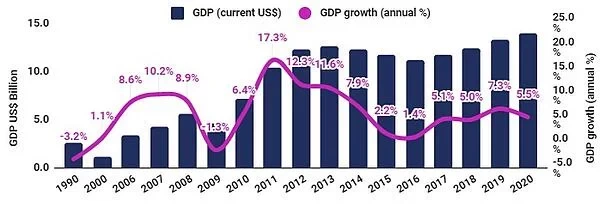
Mongolia’s economy depends heavily on natural resources such as coal, copper, and gold. While mining generates revenue, it also creates imbalances. The industry follows global commodity prices, but other sectors — including tourism, retail, and agriculture — often struggle to keep up. As a result, the cost of services like dining, lodging, or guided tours can feel disproportionately high compared to local wages.
Currency Fluctuations and Inflation
The Mongolian tugrik is closely tied to the global resource market. When mineral prices fall, the tugrik often weakens, making imports more expensive. Inflation then spreads across the economy, raising the price of everything from groceries to transport. Tourists may notice this most when exchange rates shift suddenly, affecting how far their money goes during their trip.
Extreme Climate and Short Economic Season
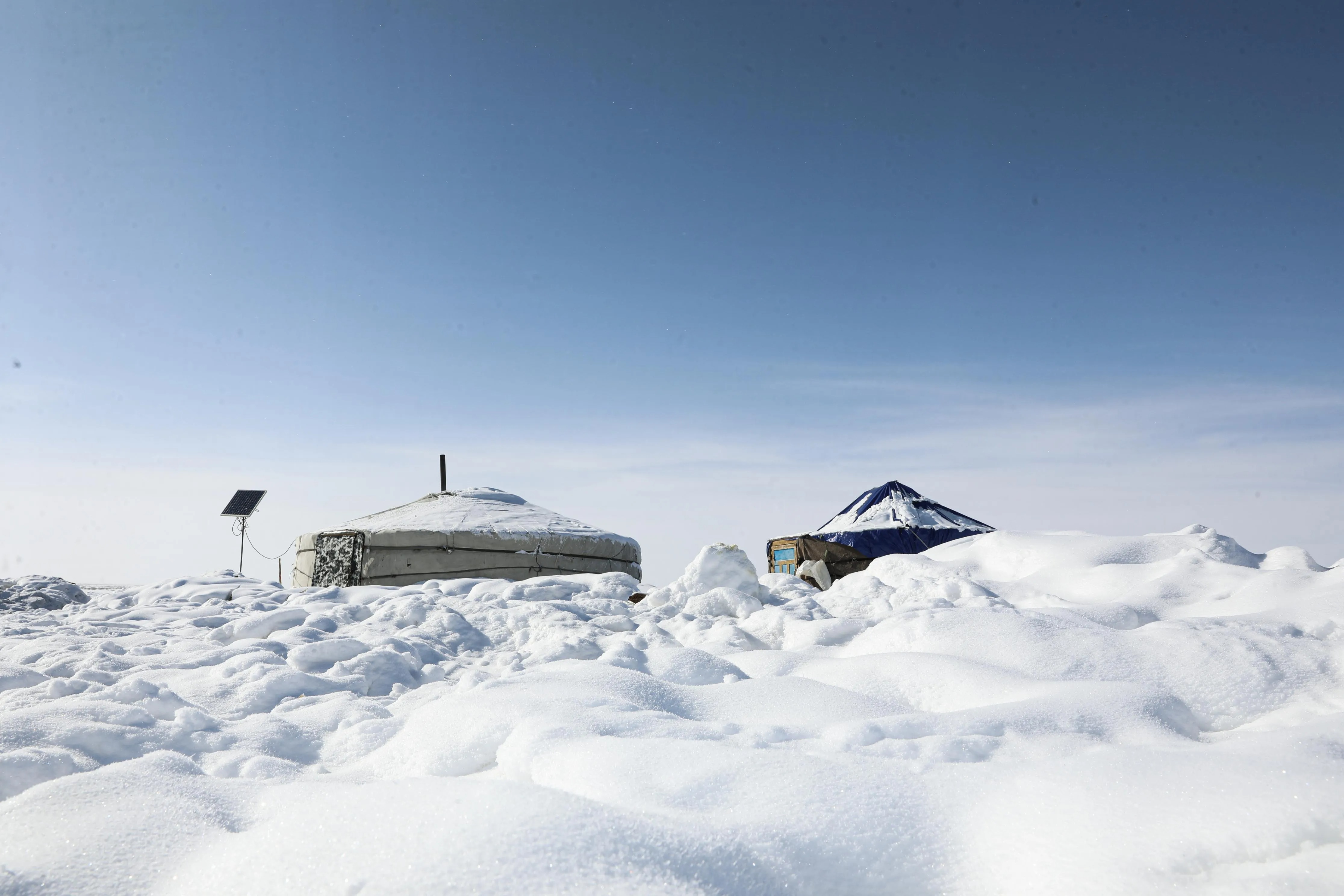
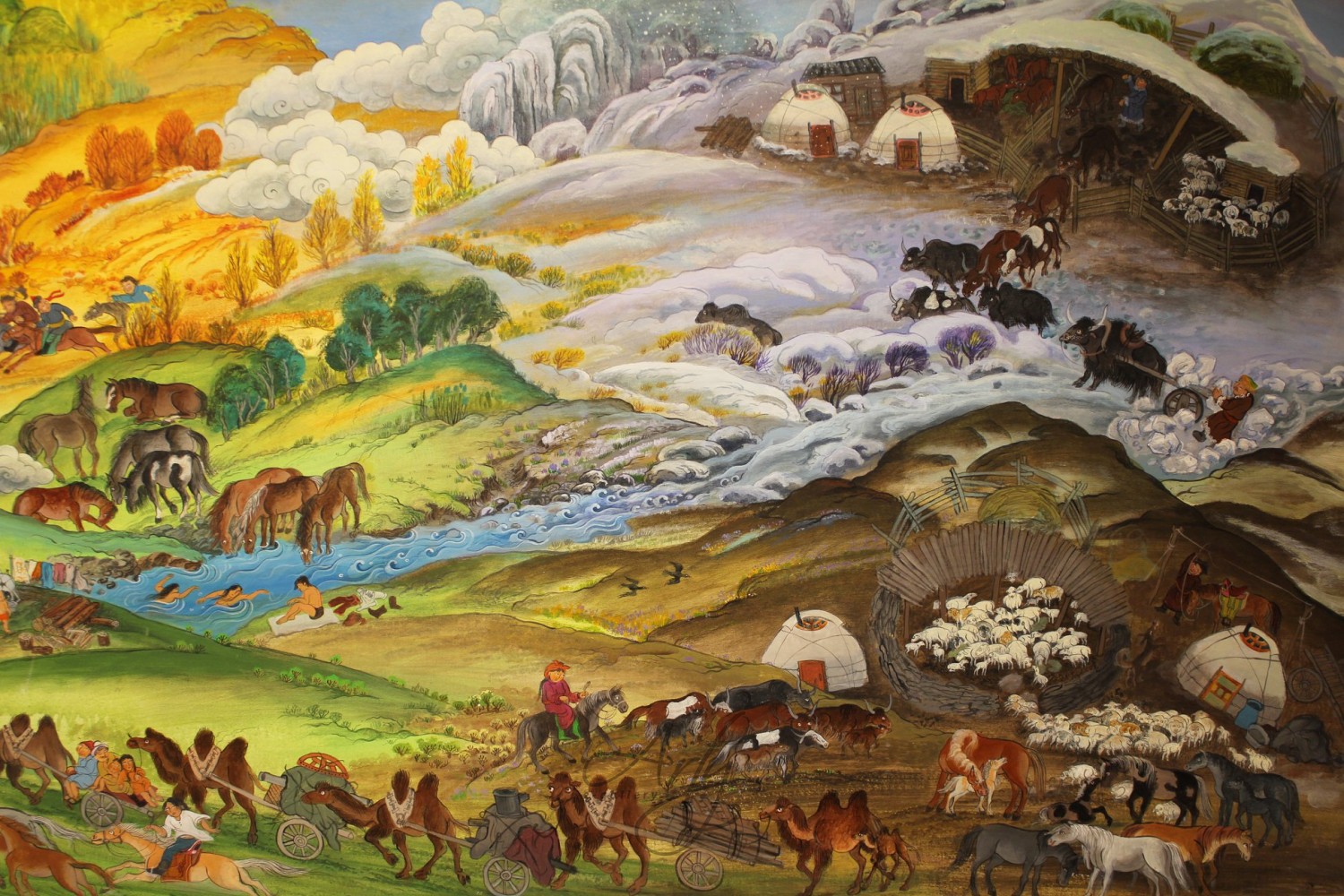
Mongolia’s harsh continental climate also affects its economy. With long, freezing winters, farming and construction are possible only for a few months each year. This short “economic season” limits production and drives up costs in many industries. Seasonal constraints not only impact local livelihoods but also make goods and services more expensive for visitors.
Final Thoughts
Traveling in Mongolia can cost more than you expect, but the reasons go beyond tourism pricing. The country’s geography, dependence on imports, mining-driven economy, currency volatility, and extreme climate all combine to shape the economic environment. Understanding these factors helps explain why meals, fuel, and tours sometimes carry a higher price tag than in neighboring countries. Still, the value of a journey here is undeniable. By visiting Mongolia, you are not only exploring one of the world’s last untouched frontiers but also supporting communities who thrive in a uniquely challenging economic and natural environment. The experience — vast landscapes, rich nomadic culture, and genuine hospitality — is worth every cent.
