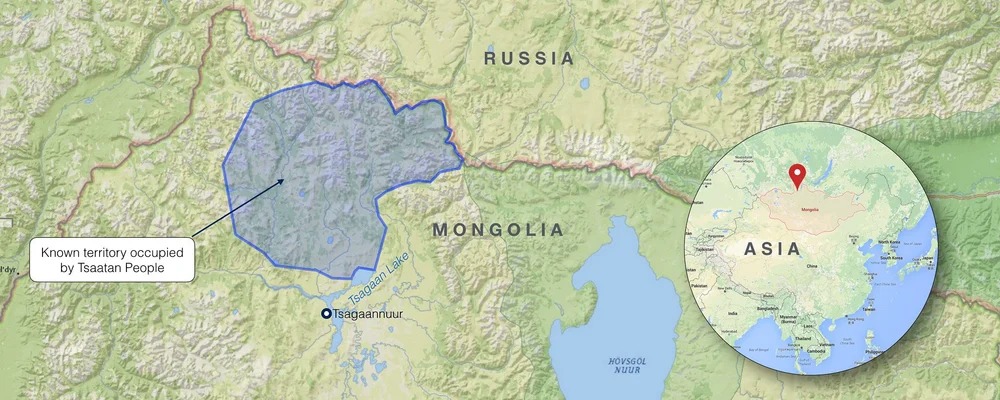
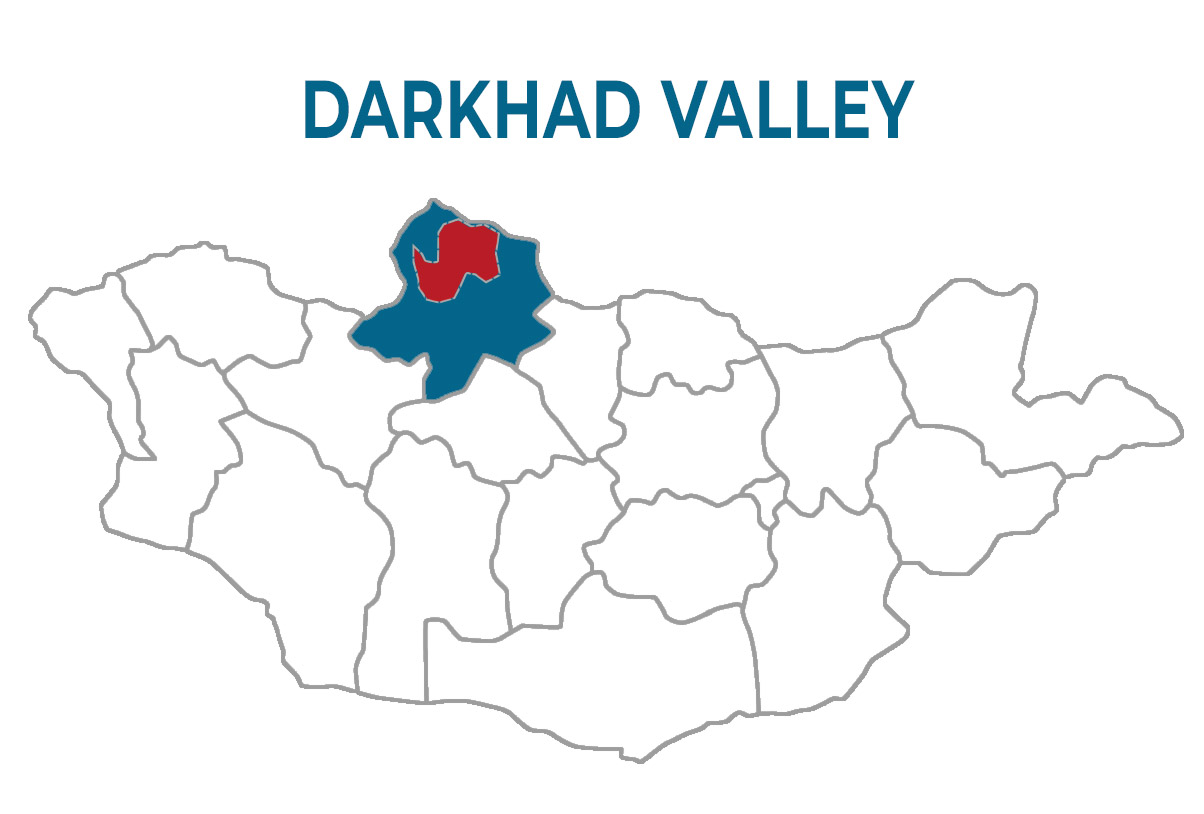
Hidden deep within the remote taiga forests of northern Mongolia live the Tsaatan reindeer herders, also known as the Dukha people. Residing in Khuvsgul Province near the Russian border, they are among the world’s last remaining reindeer-herding communities. Their survival, culture, spirituality, and identity are inseparably connected to their reindeer.
As of 2018, about 85 families care for nearly 2,400 reindeer, maintaining a fragile yet remarkable way of life that has survived for centuries.
Origin and History of the Tsaatan People
The word “Tsaatan” means “those who have reindeer” in Mongolian. Originally, the Tsaatan were Tuvan reindeer herders from what is now the Tuva Republic of Russia.
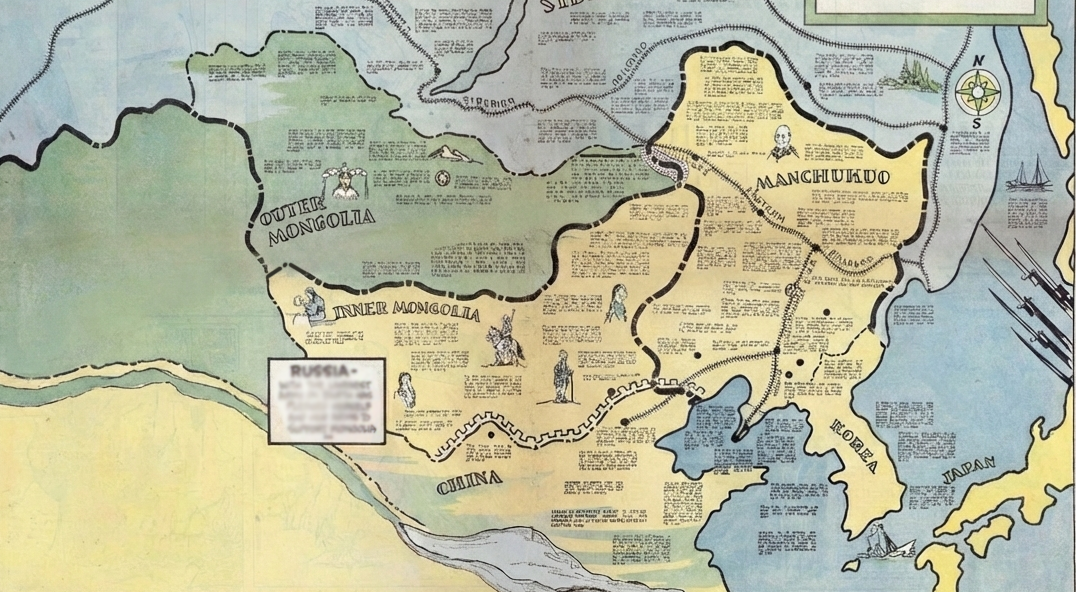
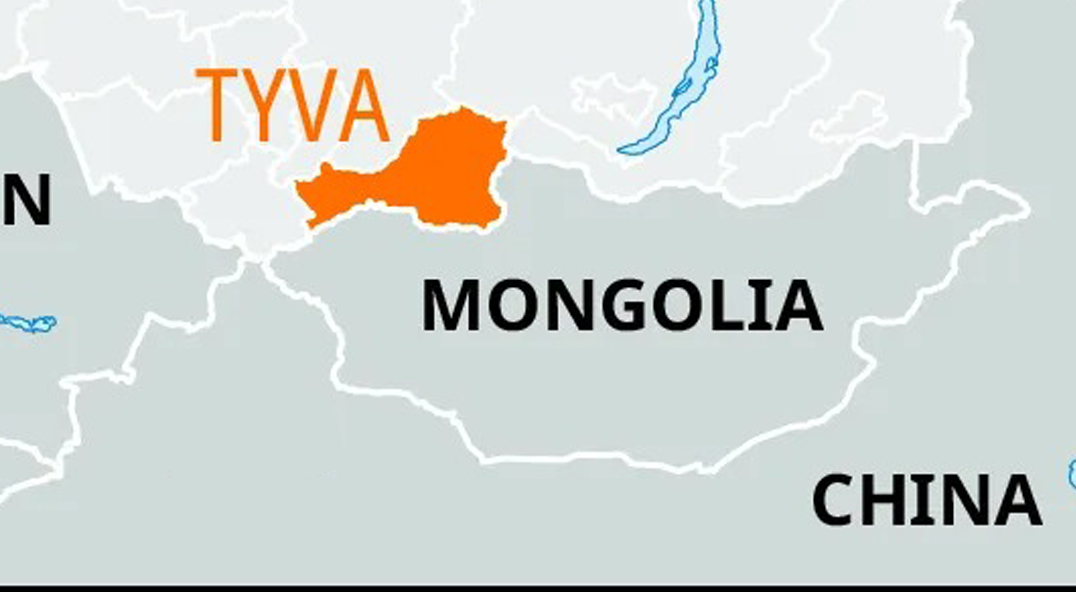
In 1921, both Mongolia and Tuva gained independence. During this period, reindeer herders freely crossed the border between the two regions. However, in 1944, when the Soviet Union annexed Tuva, the border was closed, drastically changing Tsaatan life.
During World War II, Soviet collectivization policies threatened to confiscate their reindeer, the foundation of Tsaatan survival. Many families fled south into Mongolia seeking refuge. Initially, they were deported back to Tuva multiple times. Still, in 1956, the Mongolian government granted them citizenship and resettled them near Tsagaan Nuur Lake along the Shishigt River, where they remain today.
Life with Reindeer
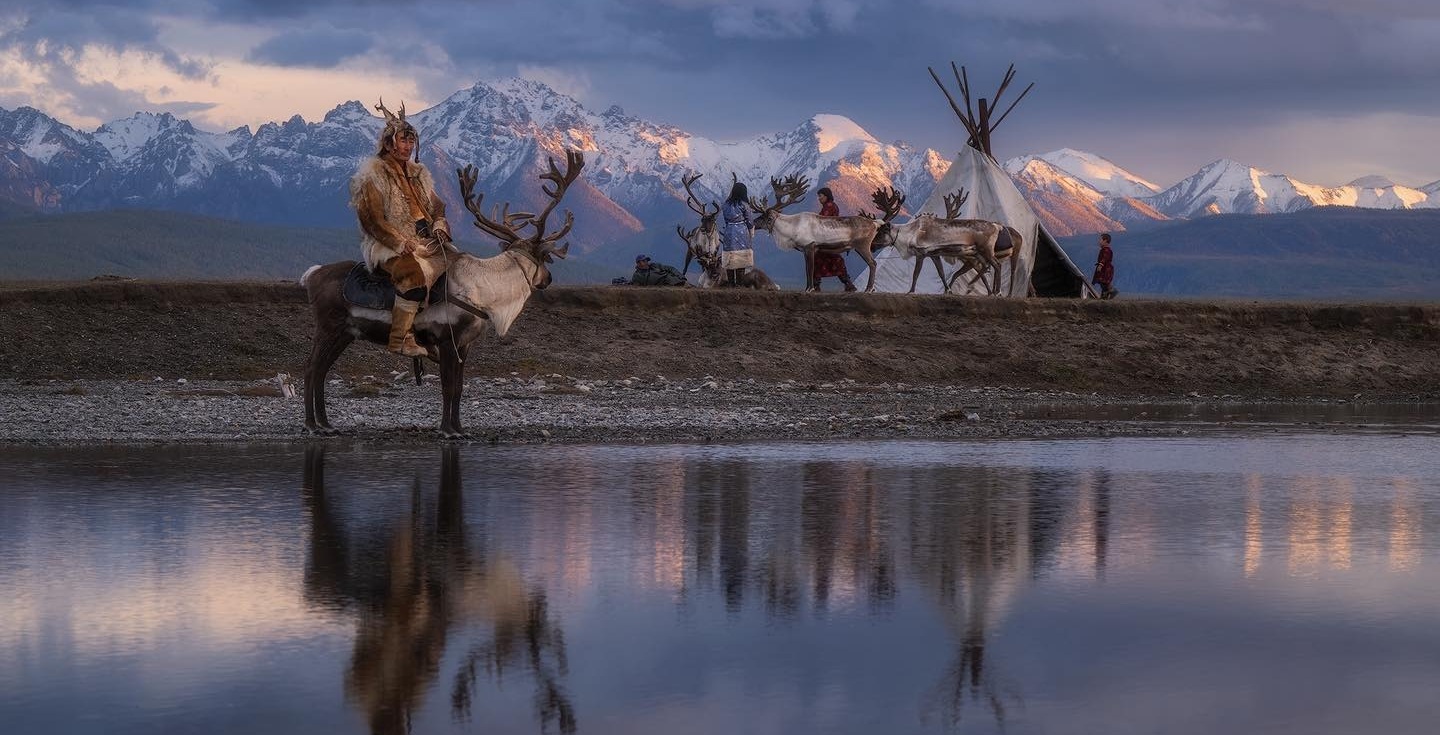
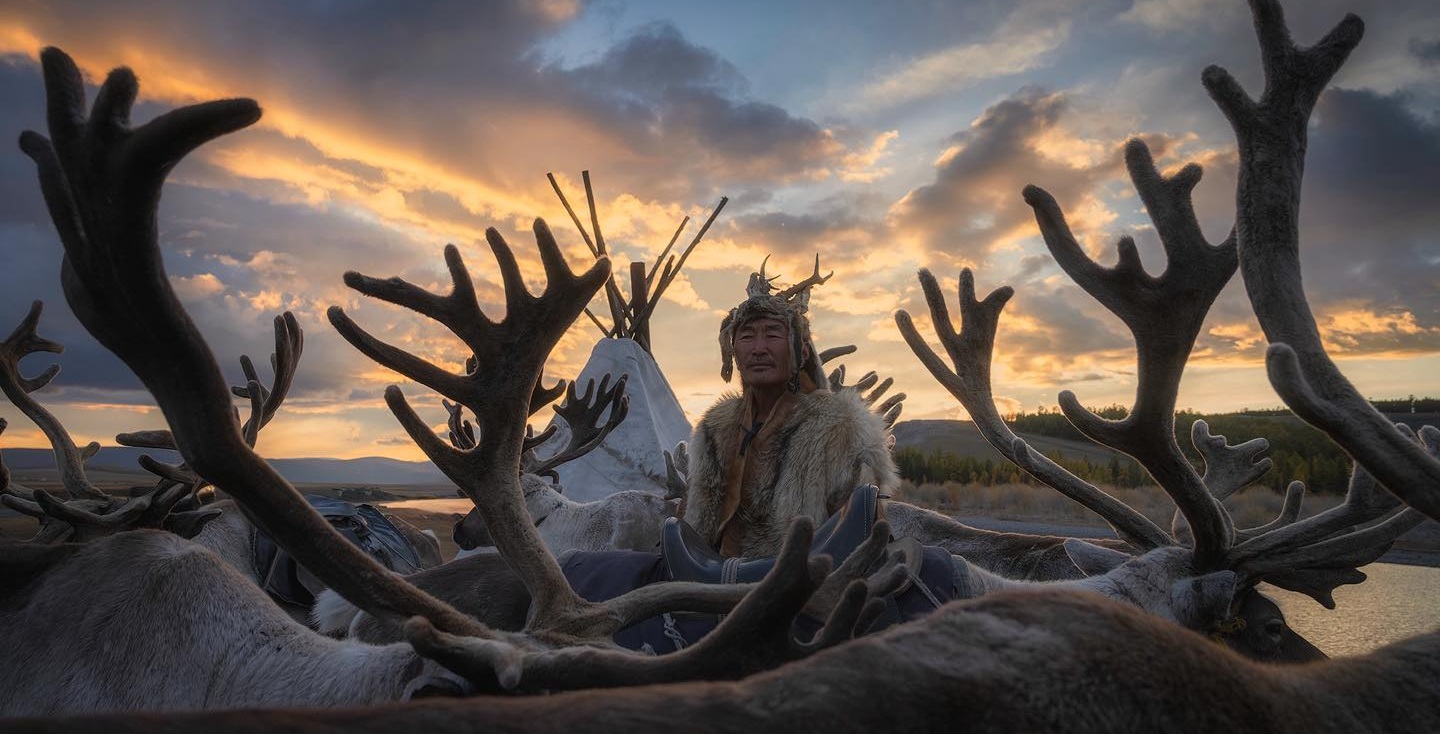
For the Tsaatan, reindeer are not merely animals, they are family, livelihood, transport, and spiritual companions.
Milk & Dairy: Reindeer are milked daily, producing rich milk used to make butter, yogurt, and cheese, which form the core of the Tsaatan diet.
Transportation: Reindeer are ridden and used as pack animals. A single reindeer can carry up to 65 kg, making them essential for moving camp every few weeks through the rugged, roadless taiga.
Handicrafts: Naturally shed antlers are carved into tools and souvenirs sold to visitors.
Spiritual Role: Reindeer hold deep symbolic importance in Tsaatan shamanistic traditions.
Families migrate every 2–10 weeks, moving between elevations of 1,800–2,300 meters, following seasonal pasture for their herds.
Tsaatan Traditions and Spiritual Life
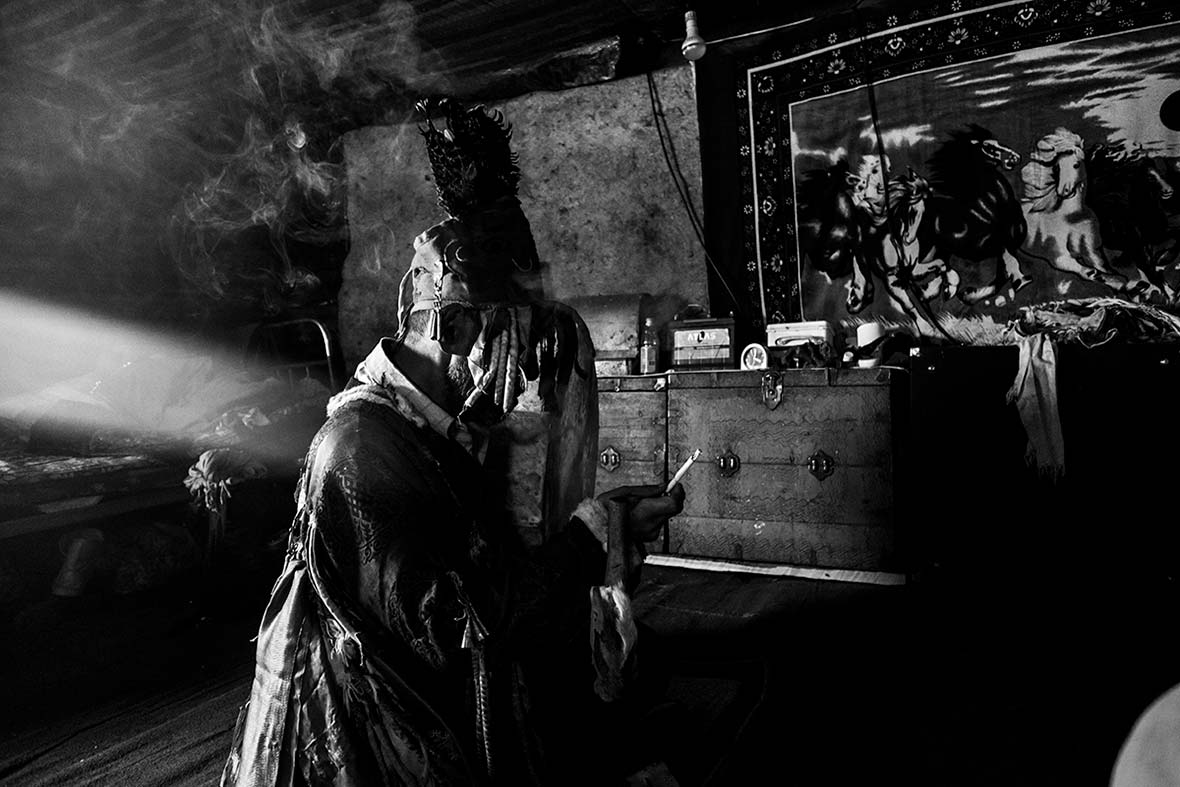
Tsaatan culture is rooted in animism and shamanism, where humans, animals, and spirits coexist in harmony.
Children learn to ride reindeer at a very young age. Daily tasks such as milking, feeding, and herding are performed with respect and gratitude. In shamanic rituals, reindeer stand beside sacred fires as prayers are offered to the spirits of the forest, mountains, and rivers.
Though reindeer are rarely slaughtered, their meat sustains families during harsh winters, reminding the Tsaatan of the delicate balance between reverence and survival.
Population and Modern Challenges
Today, approximately 400 Dukha people live in 70–80 families across the East and West Taiga. About 150 individuals reside in Tsagaan Nuur village, where children attend school, and families access healthcare.
In 2011, the Mongolian government established the Tengis–Shishged Protected Area, restricting hunting in order to preserve wildlife. While beneficial for conservation, this created challenges for the Dukha, who traditionally relied on hunting for food and income.
To preserve Tsaatan culture, the government provides financial support, and some families generate income through community-based tourism.
Where Can You Meet the Tsaatan?
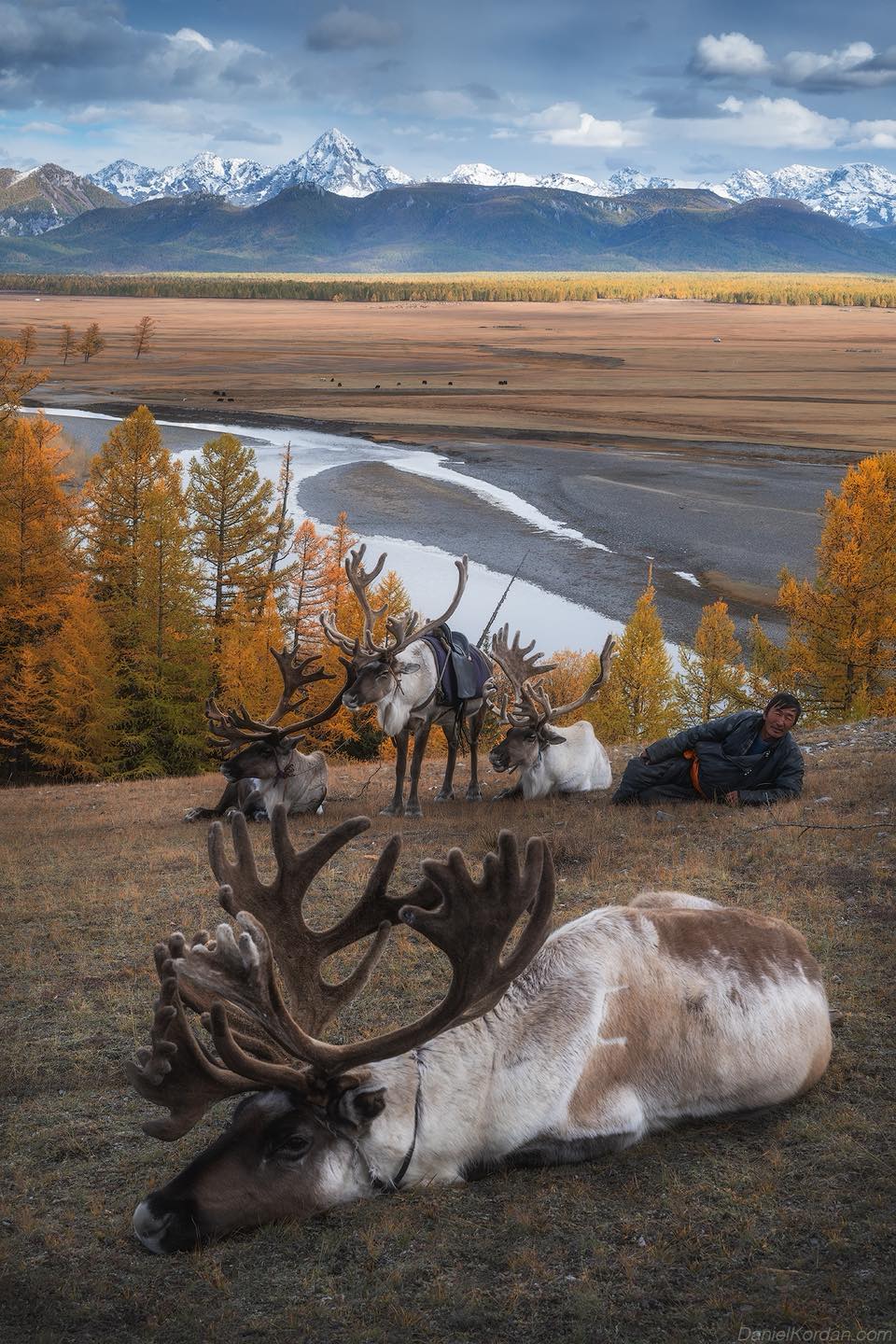
East Taiga (Zuun Taiga)
Home to 25+ families
More accessible for travelers
Located northeast of Tsagaan Nuur
Reachable by vehicle and horseback, crossing the Shishigt River
West Taiga (Baruun Taiga)
Home to 19–22 families
More remote and challenging to access
Offers deeper wilderness experiences
Camps migrate seasonally, typically 6–40 km from the forest edge. In winter, frozen rivers and lakes allow access by vehicle across the ice.
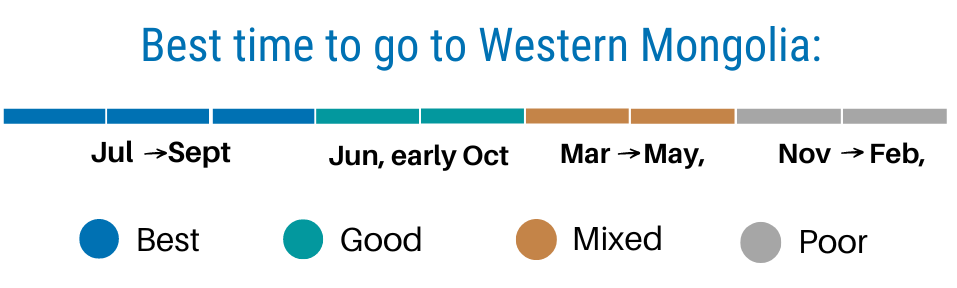
Best Time to Visit
You can visit the Tsaatan year-round, but the best season is June to September, when:
Weather is milder
Trails are accessible
Reindeer camps are closer
Cultural interaction is easier
Winter visits offer extraordinary beauty but require strong preparation due to extreme cold and difficult travel conditions.