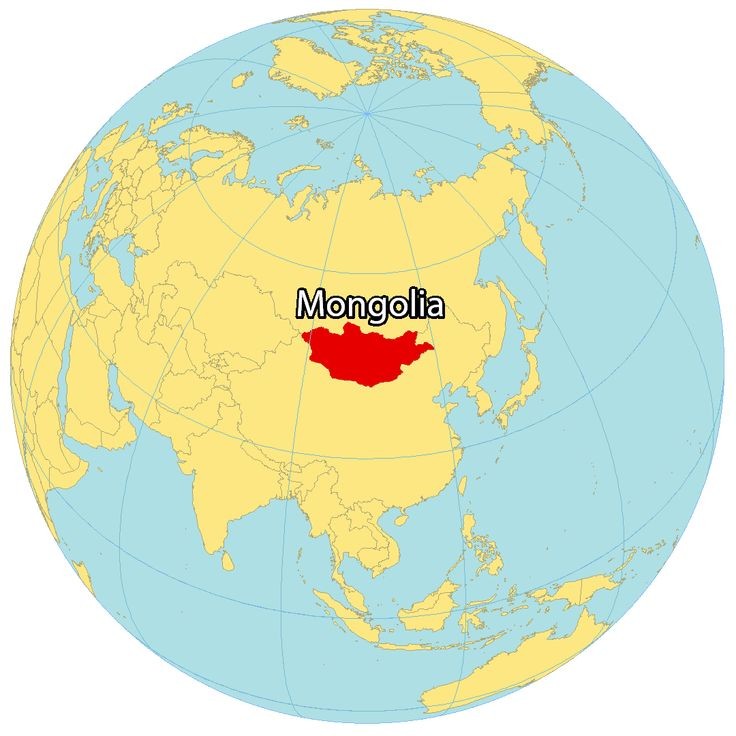
Mongolia is a land of wide-open steppes, towering mountains, and endless skies, but its extreme continental climate often surprises travelers. Surrounded by high mountain ranges and far from any oceans, Mongolia sits at an average elevation of 1,500 meters (4,900 feet) above sea level. These conditions create sharp seasonal contrasts, low rainfall, and remarkable sunshine — with more than 230 clear days each year.
Understanding Mongolia’s weather is essential when planning your trip, as the climate shapes everything from daily activities to travel logistics.
Mongolia’s Continental Climate
The country experiences four distinct seasons, though their length and intensity vary by region.
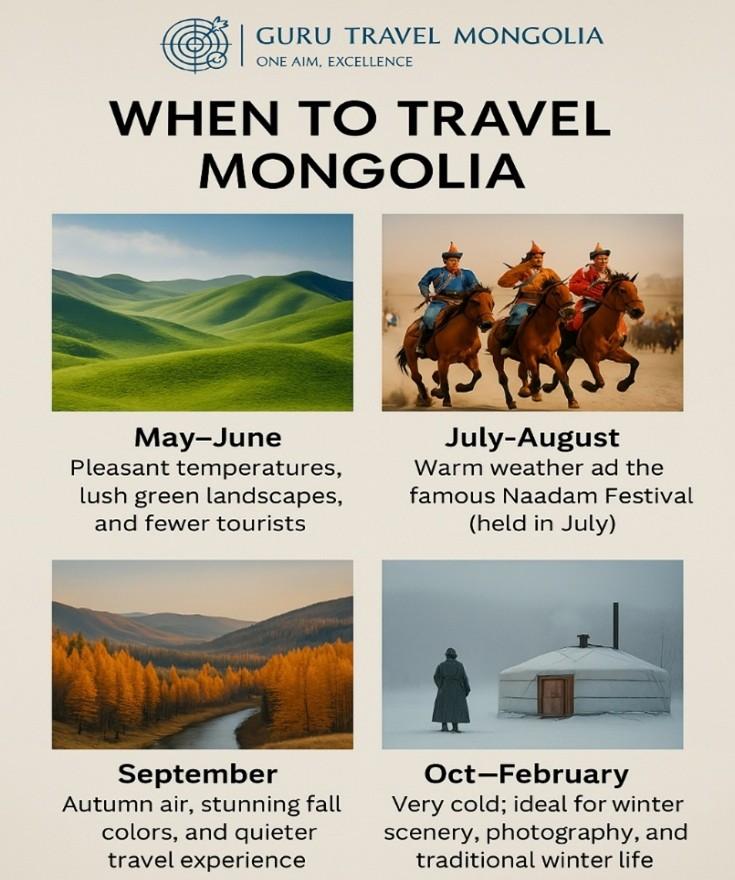
Winter (November to April): Winters are long, harsh, and extremely cold. Temperatures often drop between –10°C (14°F) and –30°C (–22°F), especially in the northern and central provinces. The Gobi Desert region tends to be slightly milder but can still reach sub-zero temperatures.
Summer (June to mid-August): Short but warm, summer brings average highs from 10°C (50°F) to 27°C (80°F). It is the best season for outdoor adventures such as trekking, horseback riding, or exploring Mongolia’s natural wonders.
Spring (April–May) and Autumn (September–October): These transitional seasons are brief and unpredictable. One day may feel like summer, while the next resembles winter. For those who enjoy fewer tourists and don’t mind variable conditions, these shoulder months are rewarding.
Temperature Variations Across Mongolia
Mongolia’s weather depends greatly on the region you visit:
Western & Northern Mongolia: Home to the Altai, Khangai, Khentii, and Khuvsgul mountains, this area is colder year-round. Average annual temperatures hover around –4°C (24.8°F), with freezing winters that last longer than in other regions.
Central & Southern Mongolia: The steppe and Gobi Desert regions are milder overall. Annual averages range from 2°C (35.6°F) in the steppe to about 6°C (42.8°F) in the Gobi, where summers can be hot but winters remain chilly.
Precipitation in Mongolia
Rainfall in Mongolia is scarce, making it one of the driest countries in Asia. However, precipitation levels vary depending on location:
Northern & Mountainous Areas: The wettest zones, including Khangai, Khuvsgul, and Khentii, receive 250–390 mm of rainfall annually.
Steppe Regions: Central and eastern steppes average 180–280 mm of precipitation each year.
The Gobi Desert: One of the driest places in the world, the Gobi receives only 70–150 mm annually. Some parts get as little as 40–60 mm, creating vast arid landscapes.
Best Time to Visit Mongolia
The right time to visit depends on your interests:
Summer (June to mid-August): The most popular travel season, with warm weather, green landscapes, and cultural highlights like the Naadam Festival. Ideal for outdoor exploration and adventure travel.
Spring (April–May) and Autumn (September–October): Quieter, off-peak seasons offering fewer crowds. These months suit travelers who enjoy cultural immersion and don’t mind unpredictable weather.
Winter (November to March): A unique time to visit for those seeking Mongolia’s wild beauty in solitude. Winter brings snowy landscapes and seasonal events such as the Ulaanbaatar Winter Festival. Travelers must be prepared for extreme cold, especially outside the capital.